


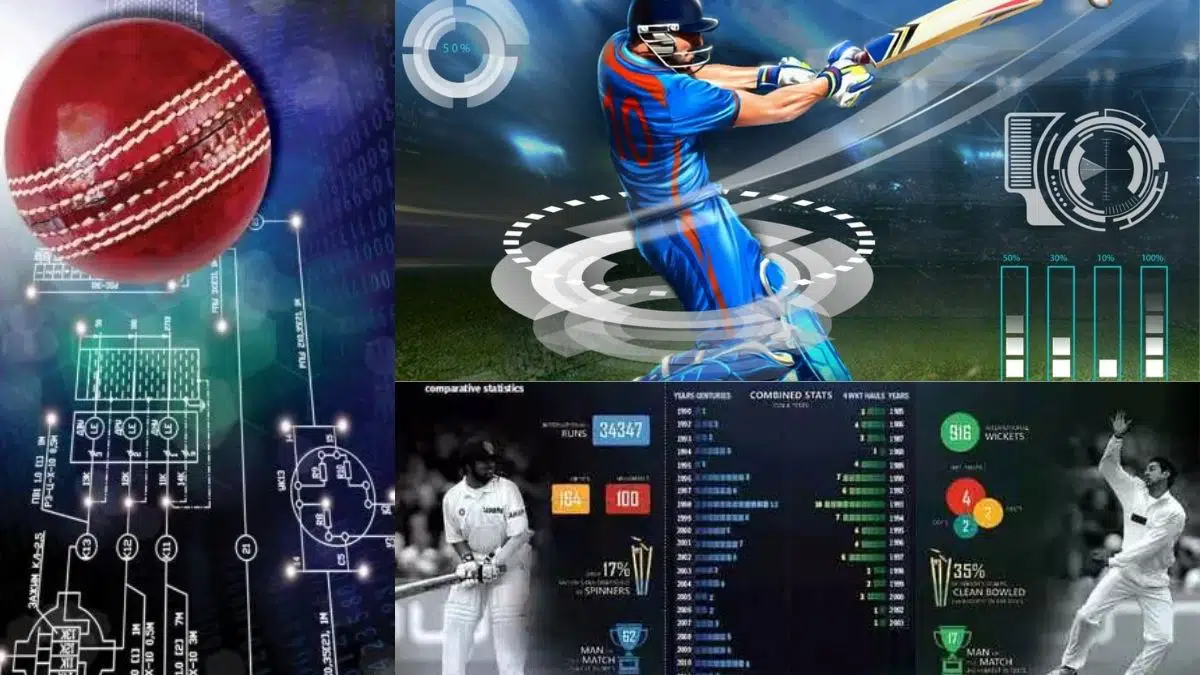
Cricket has always embraced change — from colored kits and day-night matches to advanced analytics and technology-driven umpiring. As we move toward 2030, the sport is poised for another wave of technological and strategic innovations that could completely redefine how the game is played, coached, and experienced by fans.
Smarter Stadiums and Immersive Fan Experiences
By 2030, cricket stadiums will likely become fully smart arenas. Fans could experience augmented reality (AR) overlays through Jeetbuzz wearable glasses or smartphones, displaying live stats, player insights, and even heatmaps of bowling zones during matches. Interactive seating zones, holographic replays, and 360-degree broadcasts will make attending a live game a deeply immersive experience.
AI-Powered Coaching and Training Systems
Artificial Intelligence will revolutionize how cricketers train and improve. AI-driven coaching assistants could provide instant technical corrections by analyzing a player’s motion through cameras and sensors. Personalized training programs based on data from biomechanical analysis and performance trends will help players correct flaws and maximize efficiency faster than ever before.
Robotic and Automated Umpiring
While technology like Hawk-Eye and UltraEdge already assist umpires, by 2030 we may see semi-automated or fully robotic umpiring systems. Using high-speed sensors, motion capture, and AI decision engines, every on-field call — from LBW to catches — could be handled with near-perfect accuracy. Human umpires may serve more as supervisors than decision-makers.
Smart Equipment with Embedded Sensors
Cricket gear will continue to evolve. Smart bats will track swing angles, impact force, and timing, feeding data directly to training apps. Intelligent helmets with built-in cameras and impact sensors will ensure safety Jeetwin while offering first-person recording for analysis. Sensor-equipped balls could measure spin, seam position, and speed in real time for deeper tactical insights.
Wearable Biometric Monitoring
Advanced wearable technology will become a standard part of player kits, tracking everything from hydration levels to muscle fatigue and heart rate variability. This will allow real-time adjustments in training or substitution during matches to prevent injury and maintain peak performance.
AI-Based Match Strategy Systems
Teams in 2030 may rely on AI strategy simulators capable of predicting match outcomes based on thousands of variables — including pitch behavior, weather, player fatigue, and opposition tendencies. Captains could receive real-time tactical suggestions, revolutionizing in-game decision-making.
Virtual and Augmented Reality Training
Virtual training environments will continue to grow in sophistication. Players will use fully immersive VR systems that simulate specific opponents, conditions, or stadiums. AR will overlay digital guidance during live sessions, allowing cricketers to adjust their technique on the spot with AI-powered visual cues.
Eco-Friendly and Sustainable Cricket
Sustainability will be at the forefront of innovation. Future stadiums could use solar power, water recycling systems, and biodegradable materials to reduce environmental impact. Even cricket gear might be made from eco-friendly composites, aligning the sport with global green initiatives.
Blockchain and Digital Fan Engagement
By 2030, fans might own blockchain-based digital collectibles, such as NFT highlights or player moments. Ticketing and merchandise sales could become fully decentralized, enhancing transparency and security. Interactive fan voting and fantasy integrations will bring audiences closer to the action.
The Global Expansion of Hybrid Formats
Innovations won’t just be technological — cricket formats themselves could evolve. Expect hybrid versions of T10, The Hundred, or even digital-based competitions that merge eSports with real-world cricket. This could attract new generations of fans and create entirely new entertainment ecosystems.
FAQ
1. Will AI completely replace coaches and umpires in cricket by 2030?
Not entirely. AI will act as a powerful support system, enhancing accuracy and strategy, but human judgment and experience will still play a key role.
2. How will fans benefit from innovations in cricket technology?
Fans will enjoy immersive, interactive experiences through AR, VR, and real-time data, making watching cricket more engaging and personalized.
3. Could smart equipment change how cricket is played?
Yes. Smart bats, helmets, and balls will provide instant data for analysis, helping players refine techniques and teams make better strategic decisions.
